Hedge Trimming Wanstead: Recycling and Sustainability Policy
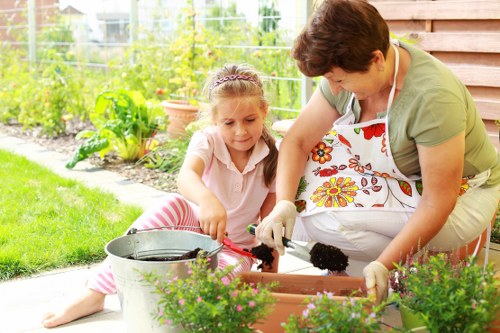 At Hedge Trimming Wanstead we take a practical, local approach to sustainability. Our commitment is to manage green waste and general garden rubbish in a way that supports the borough's waste separation schemes while reducing carbon emissions from every job. We aim to set an example for hedge care in Wanstead by combining careful on-site practices with partnerships across the community.
We work closely with the London Borough of Redbridge approach to waste separation, respecting household sorting of food waste, dry recycling and garden collections. Our team's site routines mirror those systems: we separate wood, soil and vegetation from plastics, metals and timber fixtures so each material can be routed to the appropriate stream.
 Our operational sustainability targets are clear and measurable. We have set a bold recycling percentage target of 80% diversion from landfill for all the materials we collect from hedge trimming in Wanstead and surrounding neighbourhoods. That target covers chippings reused as mulch, branches shredded for composting, and the recycling or reuse of any non-organic materials recovered on site.
How Wanstead hedge trimming waste is processed
On-site reduction and separation are the first steps. Wherever possible we chip and mulch branches to create ground cover that is returned to gardens or used by local community green spaces. Wood that is reusable is set aside for handover to local projects, and mixed materials are separated so that metals and plastics can be recycled at transfer facilities.
We stage regular collections to local transfer stations and civic recycling points to minimise storage and double-handling. Typical transfer points we use include local civic amenity and transfer stations serving Redbridge and neighbouring boroughs; these facilities perform final sorting, composting and recovery and are part of the boroughs' wider strategy.
 Our priorities include energy-efficient processing and short transport legs. By consolidating loads and collaborating with municipal transfer stations we reduce vehicle mileage and queue times at facilities, which lowers the overall carbon footprint for each hedging job.
Partnerships with charities and community groups
We maintain active partnerships with local charities and community-led reuse organisations. These relationships enable us to donate usable garden timber, stakes and serviceable planters to groups that support community gardens, schools and allotments. Donated items help local projects flourish and keep good materials circulating in the local economy.
Examples of our collaborative actions include:
- Supplying woodchips to community allotments and nature reserves
- Donating intact timber and trellis to charity projects
- Working with garden-focused NGOs to repurpose soil and mulch
These partnerships underline our belief that sustainable hedge trimming in Wanstead is as much about resource sharing as it is about disposal.
Reducing emissions from transport is another pillar of our sustainability plan. We operate a growing fleet of low-carbon vans, including electric and plug-in hybrid vehicles, and we use route optimisation software to cut mileage. When electric vehicles are not feasible for a particular load, we deploy Euro 6 diesel vehicles to keep emissions as low as possible.
Low-emission logistics also means scheduling jobs to allow for multiple local pickups in one run, avoiding empty return trips, and planning drop-offs to nearby transfer stations used by the borough. This kind of logistical planning is essential to making Wanstead hedge trimming low-carbon in practice.
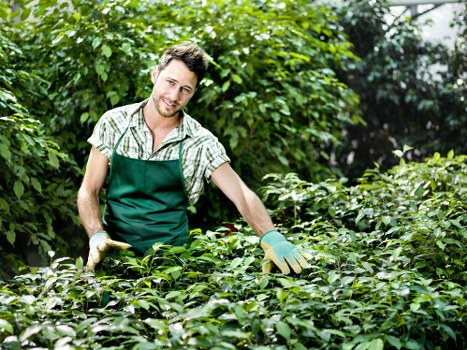 We also invest in tools and processes that reduce fossil fuel use on site: efficient petrol alternatives, battery-powered trimmers and chippers where feasible, and training for teams to adopt fuel-saving techniques.
Transparency and reporting are part of our promise. Each quarter we review diversion figures and publish an internal breakdown showing the percentage of material sent to composting, reuse, recycling centres and energy recovery. Our ongoing target remains to exceed an 80% recycling rate and to steadily increase on-site reuse.
We respect local waste policy, such as the Redbridge guidance to separate food, recyclable containers and garden waste, and we integrate that into our customer-facing process when we collect materials from private gardens. Where customers have municipal garden waste collections, we coordinate so our work complements rather than duplicates borough services.
 By combining on-site mulching, local transfer station use, charity partnerships and a low-emission vehicle fleet, Hedge Trimming Wanstead strives to make every hedging project a contribution to a more sustainable Wanstead. Our approach balances practical, local action with measurable environmental goals — keeping hedges tidy and our neighbourhoods greener without passing the environmental cost on to future generations.