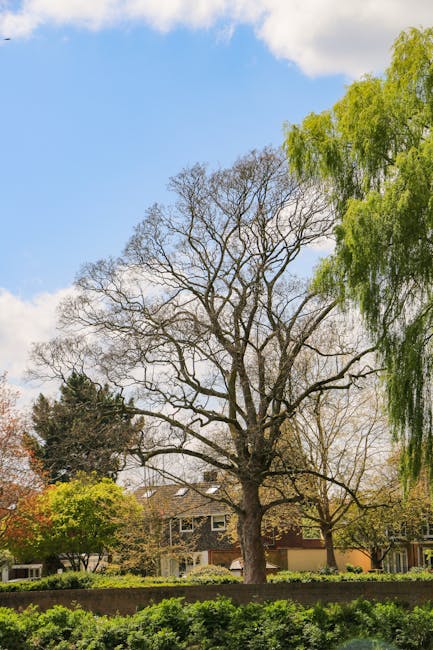
Tree preservation and fines in Wanstead what owners must know
If you own a garden in Wanstead, the trees can be one of the best parts of the property. They add shape, shade, privacy, and a bit of calm on a busy street. But they can also bring legal risk. Tree preservation and fines in Wanstead what owners must know is not just a paperwork issue; it can affect what you are allowed to prune, fell, or replace, and what happens if work is done without the right checks. To be fair, many owners only find out when a neighbour mentions a tree, a contractor raises a concern, or a council notice lands on the mat.
This guide breaks the subject down in plain English. You will learn how tree protection usually works, what fines can follow if rules are ignored, how to reduce risk before any work starts, and what sensible steps to take if you are unsure. It is written for real homeowners, landlords, and anyone responsible for trees in Wanstead who wants to do the right thing without getting tangled up in avoidable trouble.
- Why tree preservation matters in Wanstead
- How the process and restrictions usually work
- Benefits of getting it right
- Who needs to pay attention
- A practical step-by-step guide
- Expert tips for safer decisions
- Common mistakes that lead to problems
- Useful tools, resources, and checks
- Law, compliance, and best practice
- Options and comparison table
- Real-world example
- Practical checklist
- Conclusion
- Frequently asked questions
Why Tree preservation and fines in Wanstead what owners must know Matters
Wanstead has a lot of established greenery, and that is part of the area's appeal. Mature trees can make a front garden feel settled and private, and they can soften the look of terraced streets and larger plots alike. But once a tree has a protected status, or if it is in an area where planning controls apply, routine work becomes a lot less simple than "just trim it back a bit".
This matters because tree work is one of those jobs that looks straightforward until it isn't. A quick cut can become an unauthorised reduction. A fallen branch can lead to a complaint. A contractor may say a tree is fine to remove, but if you skip checks and permissions, the liability often lands with the owner. And yes, the financial consequences can be serious.
Fines are not the only issue. You may also face replacement planting requirements, delays to other projects, neighbour disputes, or costly remedial work. Sometimes the bigger loss is not the penalty itself, but the stress and time spent putting things right after the fact. Anyone who has dealt with council correspondence knows it can chew up a week faster than a hedge in midsummer.
There is also a wider point. Trees contribute to local character, wildlife habitat, and environmental quality. So the rules are not there just to make life awkward. They are meant to balance private property rights with public value, which is why owners need to understand the basics before touching a saw.
How Tree preservation and fines in Wanstead what owners must know Works
The starting point is simple: not every tree can be pruned or removed freely. In practice, tree protection can arise through a Tree Preservation Order, conservation area controls, planning conditions, or other site-specific restrictions. The exact situation depends on the property and the tree itself.
A Tree Preservation Order, often shortened to TPO, is one of the most important protections to understand. It generally means you need formal consent before carrying out works such as felling, lopping, topping, uprooting, or pruning in a way that affects the tree's character. If a tree is in a conservation area, even without a specific TPO, notice may still be required before most works begin. The detail matters. A lot.
Here is the practical part: if you are unsure whether a tree is protected, do not guess. Check first. If you ask a reputable tree professional, they should be able to tell you whether the work appears sensitive and whether an application or notice is likely needed. In some cases, the safest approach is to seek guidance before any branch is cut, even if the job looks minor.
Fines usually become relevant when unauthorised work is carried out on a protected tree or when a condition is breached. The level of penalty can vary depending on the nature of the offence, the extent of the damage, and the legal route taken. The important thing for owners is not the headline figure alone, but the fact that the risk is real enough to deserve proper checks.
One common misunderstanding is that emergency-looking work automatically sidesteps the rules. Not necessarily. If a tree is dangerous, that can change the process, but it does not remove the need to document the issue carefully. Photographs, notes, and professional advice can make a huge difference if anyone later asks why action was taken.
Key Benefits and Practical Advantages
Following the correct process is not just about avoiding trouble. It can make ownership easier and decisions clearer. There is a real benefit in knowing where you stand before you start paying for a contractor or negotiating with a neighbour.
- Less risk of penalties: You reduce the chance of fines, enforcement action, or costly backtracking.
- Better planning: Knowing what is allowed helps you schedule work properly and avoid last-minute panic.
- Safer tree care: Protected trees often need careful, measured work rather than aggressive cutting.
- Stronger property management: This is especially useful for landlords, managing agents, and anyone juggling multiple responsibilities.
- Fewer neighbour disputes: Clear communication often prevents awkward conversations over fences.
- Better long-term tree health: Proper pruning and maintenance usually support the tree rather than weakening it.
There is another, quieter advantage: peace of mind. When you know the rules have been checked, the whole job feels lighter. You can stand in the garden, look at the tree, and think, yes, this is being handled properly. That small feeling matters more than people admit.
Who This Is For and When It Makes Sense
This topic is relevant to more people than you might think. Homeowners are the obvious group, but they are not the only ones who need to pay attention.
- Homeowners who want to prune, reduce, or remove a tree in a front or back garden.
- Landlords responsible for making sure outside areas are safe and compliant.
- Managing agents overseeing shared gardens, boundary trees, or communal spaces.
- New buyers who have inherited a garden with mature trees and are unsure what restrictions apply.
- Neighbours who are affected by overhanging branches or root concerns and want to understand the limits of what can be done.
- Anyone planning building work where tree roots, canopies, or protected status could influence the project.
It makes sense to look into tree protection before any of the following situations:
- You are planning a significant prune, crown reduction, or removal.
- A tree is close to the house, a driveway, a wall, or services.
- You have received a neighbour complaint about branches or shade.
- You are about to start landscaping, fencing, or hard landscaping work near roots.
- You have bought a property and are unsure whether historic permissions or controls apply.
If you are also improving the wider garden, it can help to think about the whole outdoor space rather than the tree in isolation. For example, a planned clearance or redesign may affect access routes, soil levels, or other planting choices. In some cases, services like garden clearance, garden maintenance, or even landscape gardening can be part of the conversation, though the tree's protected status always comes first.
Step-by-Step Guidance
If you want a sensible way to handle tree work in Wanstead, use a calm, methodical process. It saves time later. Honestly, it also saves arguments.
1. Identify the tree and the work you want done
Start by being specific. Is it a full removal, light pruning, a crown lift, or a reduction because branches are touching the roof? The more clearly you define the job, the easier it is to check whether permission or notice is required. "Cut it back a bit" is not a plan; it is a feeling.
2. Check whether the tree might be protected
Look for signs that the tree may be subject to a TPO or conservation area control. If you are unsure, treat it as potentially protected until proven otherwise. That is the safer route. In real life, many problems start because someone assumed a tree was ordinary when it wasn't.
3. Get a professional opinion before you commit
An experienced tree contractor can usually tell you whether the work sounds routine or whether a more formal route is likely needed. This is especially helpful where the tree is mature, visible from the street, or near structures. If you are considering a larger job, the contractor's advice should be combined with your own checks, not used as a substitute for them.
4. Keep a record of what you found
Take photos, note the date, and keep copies of any advice or correspondence. If the tree is later questioned, these notes can be incredibly useful. They may also help if weather damage, disease, or safety concerns develop later on.
5. Submit notices or applications before work begins
If a notice or application is needed, do not start early. That is where many owners trip up. The waiting period can feel inconvenient, especially when a branch is scraping a gutter or blocking light, but the proper process is still the proper process.
6. Agree the method and scope clearly
When the work is approved, make sure the contractor understands exactly what is and is not included. A vague instruction can result in overcutting. It happens more often than people think. One overenthusiastic climb up the tree and suddenly the canopy looks very different from what you expected.
7. Finish with sensible aftercare
Once the job is done, inspect the result. Make sure debris is cleared, nearby surfaces are safe, and any replacement planting or follow-up steps are understood. If the tree was protected, keep the paperwork. Tucked away somewhere sensible, not under a pile of old takeaway menus.
Expert Tips for Better Results
A few experienced habits can make tree work safer, smoother, and more defensible if anyone asks questions later.
- Do not wait until the tree looks dramatic: early checks are usually easier than emergency-style decisions.
- Use photos from different angles: a wide shot plus close-ups of the problem area is often enough to show the issue clearly.
- Separate safety from convenience: a tree can be inconvenient without being dangerous, and that distinction matters.
- Avoid heavy-handed pruning: overcutting can weaken a tree and create more problems than it solves.
- Ask for written scope notes: this is especially helpful for larger jobs or where neighbours are involved.
- Plan access carefully: side gates, narrow passages, and parked cars can turn a tidy job into a messy one very quickly.
One small but useful habit is to think in terms of the tree's long-term shape, not just today's annoyance. That little branch brushing the window at 7 a.m. may be irritating, yes, but the answer is not always to cut hard and hope for the best.
Another tip: if a tree forms part of a wider garden plan, match the tree work to the rest of the space. A reduction that improves light may also change how the lawn, planting beds, or seating area feels. It is worth stepping back and looking at the whole garden before anything starts.
Common Mistakes to Avoid
These are the mistakes that most often cause grief. They are common because they feel harmless in the moment.
- Assuming all trees can be pruned freely. They cannot, especially if protection applies.
- Starting work before permission is confirmed. A quick job can become an avoidable breach.
- Relying only on a contractor's verbal opinion. Good advice is useful, but keep your own record too.
- Cutting too much in one go. Severe pruning can damage the tree and draw attention from neighbours or the council.
- Ignoring roots and ground levels. Tree work is not only about the canopy. Roots, soil compaction, and nearby construction all matter.
- Forgetting that dead or dangerous trees still need documentation. Safety concerns do not erase the need for evidence.
There is also a quieter mistake: doing nothing because the process looks complicated. That is understandable, but it can backfire. A short pause to check the rules is almost always cheaper than sorting out an avoidable mistake later.
Tools, Resources and Recommendations
You do not need a giant toolkit to manage this well. What helps most is a sensible set of records and a few reliable habits.
- Site photos: take clear pictures before any work, especially if branches are causing access or safety issues.
- Basic property records: deeds, plans, or previous paperwork can help show what was already known about the site.
- Written quotes: useful for comparing scope, not just price.
- Calendar reminders: helpful if a notice period, follow-up inspection, or replanting task is involved.
- Neighbour notes: if the issue involves shared boundaries, a short written summary of what was agreed can prevent misunderstandings.
If you are also trying to keep the wider garden in good shape, regular services can help reduce pressure on trees by keeping the surrounding area clear and manageable. For example, hedge trimming, lawn mowing, and tree lopping and removal may be relevant depending on the work needed. The key is to separate routine maintenance from any action that could affect a protected tree.
If you want a sense of the wider business approach, you can also review the company's services overview, along with practical details such as pricing and quotes and the standards described in the insurance and safety information. Those pages are useful if you are comparing providers and want to see how they work in practice.
Law, Compliance, Standards, or Best Practice
Tree protection in the UK is generally handled through planning law and local authority controls, and the exact rules can vary with the tree, its location, and the type of land involved. For owners in Wanstead, the safest approach is to assume that protected trees need formal checks before work begins. If the tree is in a conservation area or subject to a Tree Preservation Order, the process is likely to be more controlled than ordinary garden maintenance.
Best practice usually includes the following:
- checking whether the tree is protected before any work is agreed;
- using a competent tree professional for advice and execution;
- keeping written records of inspections, concerns, and instructions;
- making sure the scope of work is proportionate to the issue;
- avoiding unnecessary damage to roots, trunk, or canopy;
- ensuring waste is handled responsibly and the site is left safe.
Compliance is not only about avoiding fines. It also means respecting the long-term health of the tree and the people around it. A badly handled tree job can affect light, privacy, drainage, wildlife, and even neighbouring walls or paving. That is why experienced contractors tend to be careful about timing, method, and access. The quiet, boring part of the job is often the part that saves the most hassle.
For gardeners and property owners who also care about sustainability, it can help to think ahead about waste handling and re-use. The company's recycling and sustainability information may be useful where you want a more environmentally considerate approach to garden work.
Options, Methods, or Comparison Table
Different situations call for different responses. The table below gives a plain-English comparison of common approaches.
| Option | Best for | Main advantage | Main risk if mishandled |
|---|---|---|---|
| Light pruning | Minor overgrowth, small branch conflicts | Usually less disruptive and easier to justify | Overcutting or pruning in the wrong season |
| Crown reduction | Reducing spread or height in a controlled way | Can preserve the tree while improving clearance | Creating an unnatural shape or weakening structure |
| Removal | Unsafe, dead, or unsuitable trees | Solves severe problems decisively | Highest compliance risk if the tree is protected |
| Do nothing for now | Unclear situations or pending advice | Prevents rushed mistakes | Letting a real hazard develop unchecked |
The right option depends on the tree's condition, legal status, and the practical problem you are trying to solve. A small branch issue near a boundary may only need a careful trim. A mature tree near a structure may need a more considered response. The worst choice is usually the rushed one.
Case Study or Real-World Example
Picture a typical Wanstead back garden on a mild weekday morning. The tree has been there for years. It shades the patio nicely, but one side now leans close to the neighbour's fence and the canopy is brushing a gutter after heavy rain. The owner wants it "sorted before summer", which is fair enough.
Instead of booking the first available contractor and hoping for the best, the owner checks whether the tree may be protected, photographs the problem, and asks for advice on the type of work needed. It turns out the tree is not something to treat casually. A minor reduction may be possible, but the scope needs to be narrow and well documented. The contractor explains that removal would not be the sensible first step, and the owner keeps the work proportionate.
That slightly slower approach saves a headache. There is no last-minute scramble, no awkward neighbour dispute, and no messy post-work explanation about why the canopy suddenly looks hacked about. The tree still looks like a tree, the garden still feels pleasant, and the owner can move on without wondering whether they've accidentally created a compliance problem.
This is the reality in many local gardens. The answer is not always dramatic. Often it is careful, measured, and a bit boring. Which, in this context, is exactly what you want.
Practical Checklist
Use this checklist before any tree work in Wanstead.
- Have I identified exactly what work is needed?
- Have I checked whether the tree may be protected?
- Do I know whether the property is in a conservation area?
- Have I taken photos of the tree and the issue?
- Have I asked a competent tree professional for advice?
- Have I confirmed whether notice or permission is required?
- Have I agreed the scope of work in writing?
- Have I considered the impact on roots, neighbours, and nearby structures?
- Have I kept records in case questions come up later?
- Have I planned for safe waste removal and site clean-up?
If you can tick most of those boxes, you are already in much better shape than the average rushed homeowner. Not perfect, perhaps, but much better. And that usually counts for a lot.
Get a free quote today and see how much you can save.
Conclusion
Tree protection can feel complicated at first, especially if you are trying to keep a garden tidy while staying on the right side of the rules. But once you understand the basics, the path becomes clearer. The key is to check before you cut, document what you see, and keep the scope of work proportionate to the real problem.
For Wanstead owners, the most sensible approach is usually the patient one: confirm the tree's status, get proper advice, and avoid any rushed decision that could trigger fines or enforcement later. That is the heart of Tree preservation and fines in Wanstead what owners must know - not fear, just informed action.
If you take anything from this guide, let it be this: a careful first check is almost always cheaper than a hasty mistake. And when the garden is quiet in the evening, with the light moving through the branches, that careful approach tends to feel pretty right.
Frequently Asked Questions
How do I know if a tree in my Wanstead garden is protected?
The safest way is to check whether a Tree Preservation Order applies or whether the property sits in a conservation area. If you are unsure, treat the tree as potentially protected until you confirm otherwise. A professional tree contractor or local planning guidance can help, but do not rely on guesswork.
Can I prune a protected tree if it is overhanging my garden?
Not automatically. Overhanging branches do not give you free rein to carry out major work on a protected tree. The right approach depends on the tree's status and the nature of the work. In many cases, the best path is to seek the correct permission or notice first.
What happens if I cut down a protected tree without permission?
Unauthorised work can lead to enforcement action and financial penalties, and it may also create replacement planting obligations or other remedial steps. The exact outcome depends on the circumstances, but the risk is real enough that owners should never assume it will be ignored.
Do fines only apply to tree felling?
No. Fines or enforcement can also arise from unauthorised pruning, topping, lopping, uprooting, or other damaging work on a protected tree. The issue is not just whether the tree was removed, but whether the work was allowed in the first place.
What if the tree looks dangerous or diseased?
If a tree appears unsafe, document the problem immediately with photographs and notes, and seek professional advice quickly. Urgent or dangerous situations may affect the process, but they do not remove the need to keep records and act carefully.
Is a neighbour allowed to trim branches that cross the boundary?
In general, boundary overhang can be a practical issue, but the work still needs to be done carefully and lawfully. If the tree is protected, even boundary-related pruning may need special attention. It is better to resolve the matter calmly than to have a repair job turn into a dispute.
How much notice do I need to give before tree work?
That depends on the type of protection and the local process involved. Some situations require a notice period before work starts, so it is sensible to build time into your plans. If you are in a hurry, that is exactly when checking first matters most.
Can I replace a removed tree with another one?
Often, replacement planting is encouraged or required in protected-tree situations, depending on the outcome and the rules that apply. Even where it is not strictly required, replanting can be a good idea if you want to preserve the look and value of the garden.
Should I use a general gardener or a specialist tree contractor?
For simple garden tidying, a general gardener may be fine. For protected trees, larger reductions, or trees near structures, a specialist tree contractor is usually the better call. It is one of those jobs where experience really shows.
What records should I keep after the work is done?
Keep photos, notes, permissions or notices, quotes, and any written advice from the contractor. If questions come up later, those records can be extremely helpful. They also show that you acted responsibly, which is never a bad thing.
Where does tree work fit with other garden jobs?
Tree work often sits alongside hedge trimming, clearance, maintenance, or landscaping, but it should be treated as a separate decision if protection may apply. That way you avoid mixing routine tidying with regulated work. If you are planning broader garden improvements, you may also find it useful to look at local gardening guidance for E11 properties and the main blog for related topics.
How can I compare quotes for tree work sensibly?
Compare scope, safety approach, waste removal, and whether the contractor understands protected-tree issues, not just price. The cheapest quote is not always the best value if it omits important steps. Ask clear questions and make sure the work is described properly before you agree anything.