Redbridge Council Garden Waste Rules for Wanstead Gardens
If you garden in Wanstead, the little details around green waste can make a surprisingly big difference. One week it is hedge clippings after a tidy-up, the next it is a mountain of grass, leaves, and twiggy bits that suddenly look a lot less charming on the patio. Understanding the Redbridge Council garden waste rules for Wanstead gardens helps you avoid missed collections, rejected bins, and that awkward moment when a bag you thought was fine is left behind on the kerb.
This guide breaks the subject down in plain English. You will learn how garden waste is generally handled, what tends to cause problems, how to prepare your waste neatly, and when it makes more sense to arrange help with bigger jobs like a clearance or seasonal maintenance. Truth be told, once you know the rhythm of it, the whole process gets easier.
Expert summary: the safest approach is to separate garden waste from general rubbish, keep it as clean and compact as possible, and check local collection arrangements before you set anything out. Small habits save hassle.
Why Redbridge Council garden waste rules for Wanstead gardens Matters
Garden waste sounds simple until it is not. A few loose branches, some damp grass, a bag of weeds with a bit of soil clinging to the roots, and suddenly you are in a grey area. That is where rules matter. They keep collections efficient, reduce contamination in recycling streams, and help households avoid unnecessary delays.
For Wanstead residents, the practical reality is that gardens are often compact but productive. Front gardens, narrow side returns, mature hedges, and well-loved back gardens can generate a lot of organic waste in bursts, especially after spring growth or an autumn clear-up. If you are not organised, waste can pile up fast.
There is also a customer-service angle here. A tidy, compliant setup is easier for collection crews to deal with, and it reduces the chance of things being left behind. Nobody wants to start the weekend dragging damp cuttings back off the pavement. Let's face it, that is not the kind of surprise anyone enjoys.
Wanstead homes also tend to sit within a busy London rhythm: parked cars, narrow streets, neighbours doing their own upkeep, and limited space to stage waste. Good garden waste habits are not just about compliance; they are about keeping your property neat and your street presentable.
If you need broader help keeping a garden in order, it can be useful to look at regular garden maintenance or a one-off garden clearance service when the job is bigger than a normal bin day.
How Redbridge Council garden waste rules for Wanstead gardens Works
At a practical level, garden waste rules usually revolve around separation, presentation, and collection method. The exact details can vary over time, so residents should always confirm the latest local arrangements directly with the council before putting out waste. Still, the basic pattern is familiar across many London boroughs.
What counts as garden waste
Typical garden waste includes grass cuttings, hedge trimmings, leaves, small branches, prunings, weeds, and similar organic material from routine garden work. The important word there is organic. Anything that turns a pile from green waste into mixed rubbish can create problems.
Examples of items that often should not go in garden waste collections include:
- soil and rubble
- plant pots and plastic ties
- general household rubbish
- stones, turf with excessive soil, or broken paving
- food waste, unless specifically accepted under a separate scheme
How to prepare it
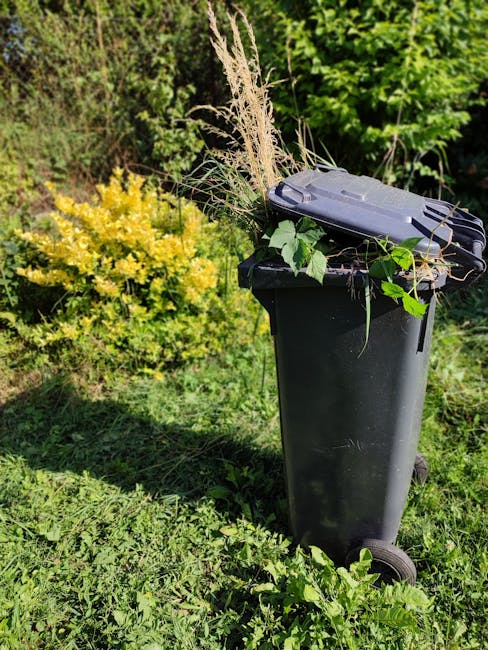
In many areas, garden waste needs to be placed in the right container or presented in an approved way. That might mean a council-issued bin, a garden waste sack, or a controlled bundle arrangement. The key is not to overfill, compact it sensibly, and avoid contaminating it with soil or plastic.
Damp cuttings are fine in principle, but when they are mixed with mud, tied with tape, or hidden under household waste, collection becomes a headache. A tidy pile is always easier to process than a mystery heap with half a broken pot inside. You know the sort of thing.
Collection and timing
Garden waste collections often run on a set schedule, and missed preparation can mean missed pickup. Put the container out only when required, keep access clear, and make sure branches do not stick out awkwardly into the path. In busy streets, that small detail matters more than people think.
What happens with larger volumes
If you have pruned a hedge hard, removed an old shrub border, or cleared a neglected corner, the amount of waste may exceed what a normal domestic collection can handle comfortably. That is usually the moment to consider a specialist clearance or a planned maintenance visit rather than trying to wrestle everything into a standard bin.
Key Benefits and Practical Advantages
Following the rules is not just about avoiding problems. There are several real-world advantages for Wanstead gardeners.
- Cleaner presentation: Neatly handled waste keeps your front or back garden looking cared for rather than half-finished.
- Fewer missed collections: Correctly sorted material is less likely to be rejected or left behind.
- Better use of space: Tidier waste management stops piles growing into an eyesore in a small garden.
- Less stress: You are not left guessing whether a bundle will be accepted.
- Improved safety: Sharper cuttings, thorny clippings, and awkward branches are easier to manage when bundled properly.
There is another benefit people underestimate: rhythm. Once you get into a habit of trimming, collecting, and disposing in the same order each time, gardening feels much less chaotic. The whole thing becomes calmer. Oddly satisfying too.
For homeowners who want that "always under control" look, services such as lawn mowing and hedge trimming can reduce the build-up of waste at source, which makes the whole process easier to manage.
Who This Is For and When It Makes Sense
This guidance is useful for a wide mix of Wanstead residents.
- Homeowners who do their own garden upkeep and need to stay on top of disposal.
- Landlords preparing a property between tenancies or after tenant use.
- Busy families who only get time for gardening at weekends and need an efficient system.
- Older residents who want a clear, simple approach without lifting heavy bags repeatedly.
- Anyone with mature planting where hedge cuttings and seasonal debris build up quickly.
It makes sense to pay close attention if you are doing any of the following:
- cutting back overgrown hedges
- clearing leaves after autumn falls
- lifting old border plants
- refreshing a neglected garden
- preparing for landscaping or new decking
That last one is easy to forget. If you are planning changes to the space, waste management should be part of the plan, not an afterthought. A reworked garden often produces a surprising amount of debris before it looks better.
For bigger projects, landscaping and landscape gardening may create more waste than a normal weekly tidy, so it helps to think ahead.
Step-by-Step Guidance
If you want to handle garden waste properly without making a mess of it, use a simple sequence. Nothing fancy. Just a calm, repeatable method.
- Separate green waste from everything else. Keep grass, leaves, hedge trimmings, and weeds apart from plastics, pots, stones, and household rubbish.
- Remove contamination early. Shake soil off roots, pull out tape or twine where possible, and check for bits of non-organic material before you bag anything.
- Cut bulky waste down to size. Long branches and awkward stems are easier to bundle if they are trimmed or grouped neatly.
- Use the correct container or approved presentation method. If your local collection uses a specific bin or sack, stick to it. A random black bag is a common mistake.
- Do not overload. A too-heavy bag is awkward to move and more likely to split. Nobody needs that drama at 7 a.m.
- Store waste safely until collection day. Keep bags off damp ground where possible and away from pathways.
- Put it out at the right time. Early enough to be collected, but not so early that it becomes untidy or blocks access.
- Check after collection. If anything remains, sort out why. It is usually a presentation issue, contamination issue, or capacity issue.
If the job is too large for a domestic system, you may be better off combining a tidy-up with a planned service visit. In our experience, that often saves a couple of trips and quite a bit of frustration.
Expert Tips for Better Results
A few small habits make a big difference. These are the things that usually separate a smooth collection from a slightly annoying one.
- Trim before you pile. Smaller pieces settle better and are easier to move.
- Work dry if you can. Wet grass clumps together and gets heavier than people expect.
- Use a barrow or trug for transport. It keeps paths cleaner and reduces strain.
- Layer waste sensibly. Put heavier stems low and lighter material on top, so bags do not collapse awkwardly.
- Think in sections. Tackle one hedge, one border, or one bed at a time.
- Watch for hidden debris. Stones, broken terracotta, and old ties sneak into green waste more often than you think.
Here is a tiny but useful trick: if a pile looks tidy from a distance but messy close up, it is probably still messy enough to cause trouble. That sounds obvious, but it saves a lot of "I thought it was fine" moments.
If you regularly produce large volumes of cuttings, a combination of routine garden maintenance and seasonal recycling and sustainability-minded handling can keep things under control without overburdening your bins.
Common Mistakes to Avoid
The same errors crop up again and again. Most are easy to avoid once you know what to look for.
- Mixing in general rubbish. One plastic plant label or broken pot can be enough to spoil a load.
- Including too much soil. Soil is heavy and often treated differently from green waste.
- Overfilling bags or bins. If it bulges alarmingly, it is probably too much.
- Leaving branches loose. Long sticks poke out, snag, and create hazards.
- Setting waste out too early. It can look untidy and invite rain or wind damage.
- Forgetting access issues. If crew cannot reach it safely, it may not be taken.
- Assuming all garden waste is accepted the same way. That assumption causes more problems than people realise.
There is also the classic mistake of underestimating how much waste a simple hedge trim produces. A hedge looks compact until the clippings are on the ground. Then suddenly it is a different story. A very different story.
Tools, Resources and Recommendations
You do not need a shed full of specialist equipment to manage garden waste well. A few sensible tools are enough for most Wanstead gardens.
Useful tools
- Heavy-duty garden bags for temporary collection and moving clippings
- Wheelbarrow or garden trolley to avoid dragging waste across paths
- Secateurs and loppers to reduce bulky branches before disposal
- Rake and leaf scoop for quick clean-up of lawns and beds
- Tarpaulin for gathering waste in one place without scattering it
Helpful service pages on this site
When the waste is coming from a broader project, these pages may be useful:
- garden clearance for larger jobs
- services overview to compare support options
- pricing and quotes if you want to plan the cost side early
- tree lopping and removal for heavier woody material
One practical recommendation: if you are unsure whether a job is likely to exceed what you can comfortably dispose of yourself, plan the waste removal before you start cutting. It is much easier to work with a clear disposal plan than to stare at a growing pile at dusk and wonder what on earth to do next.
Law, Compliance, Standards, or Best Practice
For household garden waste, the main thing is to follow the local council's current collection rules, separate waste properly, and avoid contamination. The details can change, so it is sensible to confirm the latest requirements before a big clear-out.
From a best-practice point of view, the following standards are worth keeping in mind:
- Duty of care: waste should be presented responsibly and not create a nuisance or obstruction.
- Separation: keep green waste distinct from plastics, soil-heavy material, and general rubbish.
- Safety: sharp branches, thorns, and heavy bags should be handled carefully to reduce injury risk.
- Neighbour consideration: avoid blocking pavements, drives, or access routes.
If you use a contractor, it is reasonable to expect them to work carefully, handle waste sensibly, and respect safety and environmental practices. Good service should feel calm and organised, not chaotic. That is especially true in tighter residential streets where one badly placed pile can affect everyone.
For reassurance about service standards and responsible handling, you can also review insurance and safety information and the company's health and safety policy.
Options, Methods, or Comparison Table
There is more than one way to deal with garden waste, and the right choice depends on volume, timing, and how much lifting you want to do yourself.
| Method | Best for | Pros | Limits |
|---|---|---|---|
| Council garden waste collection | Routine grass, leaves, light pruning | Convenient for regular upkeep; keeps waste moving out of the garden | Can be limited by container type, contamination rules, or collection schedule |
| DIY composting | Leaves, soft clippings, some shredded material | Reduces waste and supports a more sustainable garden | Not suitable for all material; takes space and time |
| Private garden clearance | Large seasonal clear-outs, overgrown gardens, bulky cuttings | Fast, practical, and useful when there is a lot to remove | Usually involves a service cost; needs good planning |
| Ongoing maintenance visits | Gardens that build waste regularly | Keeps growth under control and stops waste piling up | Needs regular scheduling rather than one-off action |
For many Wanstead homes, a hybrid approach works best. Routine waste goes through the normal collection route, while larger bursts from hedge work or seasonal clearing are handled separately. Simple enough, really.
Case Study or Real-World Example
Picture a typical Wanstead back garden after a mild spring. The lawn has grown quickly, the hedge has pushed out fresh shoots, and two borders need a proper tidy. Nothing dramatic, but enough to generate a decent pile of green waste. The homeowner starts with a bag for grass, a separate pile for hedge cuttings, and a small crate for any odd bits of plastic plant ties and broken labels.
Halfway through, the pile is bigger than expected. That is usually the moment where people realise the job is not just "a quick tidy." They pause, trim the branches down further, and decide whether the remaining waste fits the normal collection method or whether a clearance would be easier.
In this sort of situation, the best outcome often comes from combining a tidy schedule with a proper waste plan. The garden looks better, the path stays clear, and the task finishes without a second trip to move awkward bundles. It is not glamorous, but it works. And on a damp Sunday afternoon, that is enough.
If a similar job involves multiple areas of the garden, mixing in lawn mowing or hedge trimming can help you tackle the job in a more controlled way rather than letting waste accumulate all at once.
Practical Checklist
Use this checklist before you set out any garden waste in Wanstead.
- Have I separated green waste from household rubbish?
- Have I removed pots, plastics, ties, and other contamination?
- Are branches cut down to manageable lengths?
- Is the waste going in the correct bin, sack, or approved container?
- Have I avoided overfilling the container?
- Is the access route clear for collection?
- Have I checked the timing for collection day?
- Do I have a plan for any extra volume that will not fit?
- Would this be better handled as part of a broader clearance or maintenance visit?
- Have I reviewed the latest local rules before a large clear-out?
Quick takeaway: if it is clean, compact, and correctly presented, you are on the right track. If it looks mixed, muddy, or awkward to lift, it probably needs another look.
Conclusion
Garden waste rules can feel like a small administrative detail, but in practice they shape how smoothly your Wanstead garden runs. Follow the local approach carefully, keep waste clean and separated, and plan ahead when the job is bigger than a normal tidy-up. That way you avoid missed collections, messy kerbsides, and a lot of unnecessary back-and-forth.
For many households, the smartest solution is not to wrestle with every branch alone. It is to combine regular upkeep with sensible disposal habits and, when needed, professional help for the bigger, messier jobs. That keeps the garden pleasant to use and a lot easier to live with through the seasons.
If you want support with heavier clear-ups, routine upkeep, or getting a neglected space back under control, explore the relevant service pages and decide what level of help fits your garden best.
Get a free quote today and see how much you can save.
Frequently Asked Questions
What counts as garden waste under Redbridge Council garden waste rules for Wanstead gardens?
In general, garden waste means organic material from routine gardening, such as grass cuttings, leaves, hedge trimmings, weeds, and small prunings. Items like plastic pots, rubble, and household rubbish usually do not belong in it.
Can I put soil in my garden waste bin?
Usually not in large amounts. Soil is heavy and often treated differently from green waste. If soil is mixed into cuttings, it can create collection problems, so it is best removed separately where possible.
Do I need a special container for garden waste in Wanstead?
That depends on the current collection setup. Some areas use a specific bin or sack system, while others have different arrangements. It is wise to check the latest local guidance before putting anything out.
What should I do with hedge cuttings after trimming?
Bundle them neatly, cut them into manageable lengths, and keep them free from plastic ties or general rubbish. If you have a large hedge trim, a garden clearance may be more practical than trying to fit everything into a normal collection.
Can I mix leaves, grass, and branches together?
Yes, usually, as long as they are all clean garden waste and presented in the correct way. The main thing is avoiding contamination and overloading the container.
Why was my garden waste left behind?
The most common reasons are contamination, overfilling, wrong presentation, or access issues. Sometimes the problem is as simple as a bag being too heavy or branches sticking out awkwardly.
Is it better to compost garden waste at home?
For some households, yes. Composting is a good option for leaves, soft clippings, and other suitable material. It saves disposal space, but it does take time and a bit of garden room.
How often should I clear garden waste in a Wanstead garden?
That depends on the garden's size, planting style, and the season. In spring and autumn, many gardens need more frequent attention because growth and leaf fall both increase.
What is the best way to deal with a large garden clearance?
Break the work into sections, separate green waste from non-green material, and decide early whether the volume is manageable through normal collection or better handled by a clearance service.
Are tree branches handled the same as grass cuttings?
Not always. Small prunings may be fine if they are clean and manageable, but larger woody material can need different handling. For heavier work, tree lopping and removal support may be more appropriate.
Can garden waste rules affect how I plan landscaping work?
Absolutely. Landscaping often produces soil, roots, old plants, and bulky debris. If you plan the waste route first, the work runs more smoothly and the garden is less likely to end up cluttered mid-project.
Who should I contact if I need help with a messy garden?
If the problem is beyond a standard tidy-up, it is sensible to look at a combination of maintenance, clearance, and waste-conscious services. A quick conversation about the job size usually points you in the right direction.